

If you’re dealing with standing water in your yard, soggy grass, or erosion after heavy rain, you’re not alone. Homeowners in Elgin and surrounding communities frequently experience drainage issues due to clay-heavy soils and seasonal Midwest storms. Without proper yard drainage, water can damage your lawn, hardscaping, and even your home’s foundation. At Bright Green Landscapes Inc. , we help homeowners throughout Elgin and nearby areas design and install effective yard drainage systems that protect both their property and landscape investment. Why Yard Drainage Is a Common Problem in Elgin, IL Northern Illinois soil conditions play a major role in drainage problems. Much of the area around South Elgin, St. Charles, Geneva, Elburn, and Campton Hills contains dense clay soil. Clay drains slowly, causing water to sit on the surface long after rainfall. Combined with spring snowmelt and summer downpours, this can lead to: Standing water in low areas Lawn damage and root rot Soil and mulch erosion Mosquito breeding areas Water pooling near foundations Damage to patios and retaining walls If water sits for more than 24–48 hours after a storm, it’s usually a sign your yard needs professional drainage improvements. Professional Yard Drainage Solutions in Elgin, IL Every property is different. That’s why Bright Green Landscapes Inc. evaluates grading, soil type, and water flow patterns before recommending the right solution. 1. French Drains Installation French drains are one of the most effective long-term drainage solutions in Elgin, IL. A perforated pipe is installed underground within a gravel trench to collect and redirect excess water away from problem areas and foundations. 2. Catch Basins & Drain Tile Systems Catch basins collect surface water and move it through underground piping to a safe discharge location. This is ideal for areas where water flows naturally during heavy rain. 3. Yard Regrading & Lawn Leveling Sometimes improper slope is the main issue. Regrading ensures your yard directs water away from your home instead of toward it. 4. Downspout Extensions & Buried Lines Many homes in Elgin have downspouts that discharge too close to the foundation. Installing extensions or underground drain lines helps prevent pooling near the home. 5. Dry Creek Beds A decorative and functional solution, dry creek beds manage runoff while enhancing curb appeal. Signs You Need Yard Drainage Installation Homeowners in Elgin and surrounding areas should consider drainage solutions if they notice: Persistent muddy or soggy areas Water near basement walls Cracks in foundation or settling patios Grass that won’t grow in certain spots Increased mosquito activity Addressing these problems early can prevent costly structural repairs down the road. Benefits of Proper Yard Drainage Investing in professional yard drainage in Elgin, IL offers several long-term advantages: ✔ Protects your home’s foundation ✔ Improves lawn health and growth ✔ Prevents erosion and landscape damage ✔ Reduces mosquito breeding areas ✔ Increases property value Proper drainage also extends the lifespan of hardscapes like patios, walkways, and retaining walls. Yard Drainage Services in Elgin, IL & Surrounding Areas If you’re experiencing drainage issues in Elgin, South Elgin, St. Charles, Geneva, Elburn, or Campton Hills, Bright Green Landscapes Inc. can design a customized solution tailored to your property. Our goal is simple: protect your home, preserve your landscape, and ensure your yard drains properly year-round. Feel free to contact us for a FREE ESTIMATE or call our office at 847-344-4656.
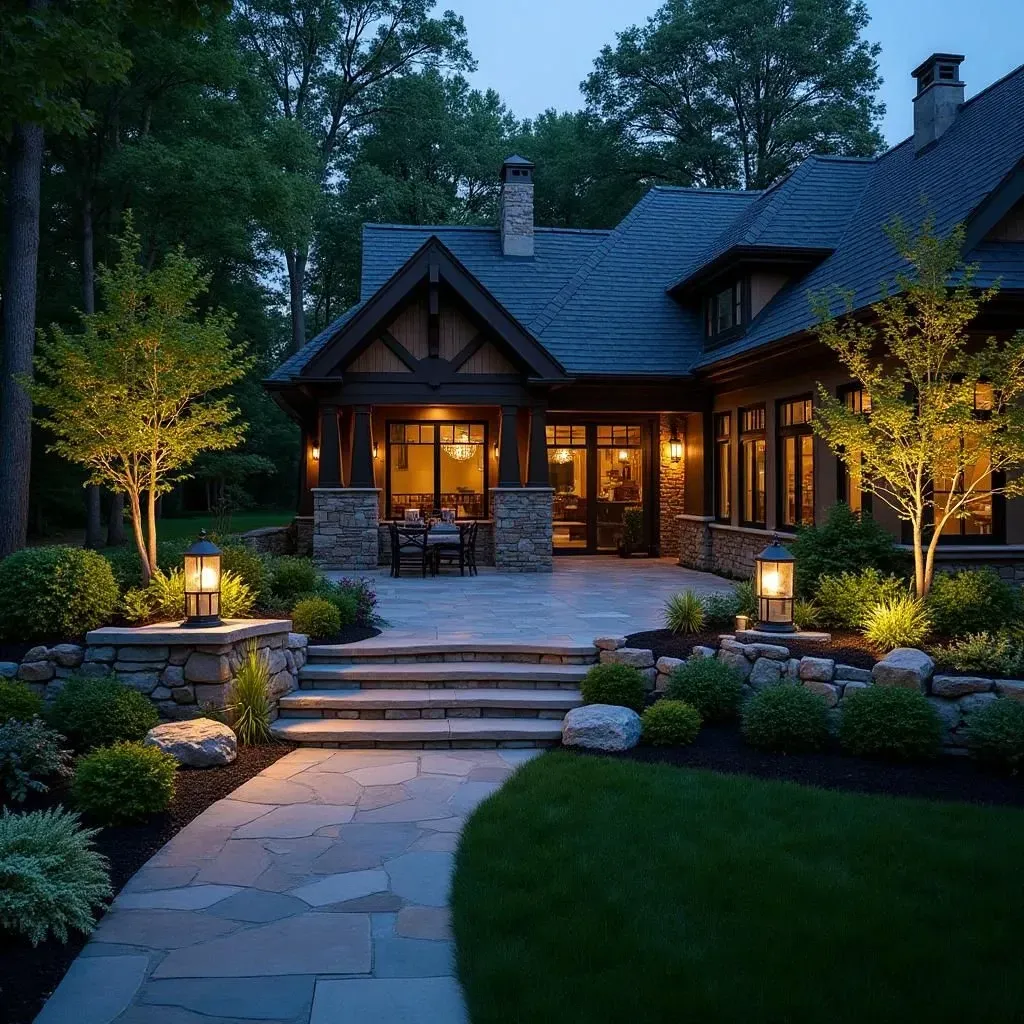
Crafting a patio and retaining wall that reflect your vision combines planning with creativity. By carefully selecting materials and designs that complement each other, you shape a functional area that enhances your enjoyment while increasing property value. Embracing environmental elements like native plants ensures ease of maintenance and connection with the local landscape. Design Tips for Creating Beautiful Patios and Retaining Walls Creating a stunning outdoor space starts with thoughtful planning and expert craftsmanship. Whether you’re upgrading your backyard with a custom paver patio or installing a functional retaining wall to solve drainage and grading issues, the right design makes all the difference. At Bright Green Landscapes, we specialize in designing and building patios and retaining walls throughout the Fox Valley area, helping homeowners enhance curb appeal, property value, and outdoor living enjoyment. Below are expert design tips tailored specifically to homeowners in the communities we proudly serve. Elgin & South Elgin, IL Patio and Retaining Wall Design Tips Homeowners in Elgin and South Elgin often deal with sloped yards, clay-heavy soil, and varying elevations. Proper base preparation and drainage are critical for long-term durability. Design Tips for Elgin & South Elgin: Plan for drainage first. Retaining walls should include proper backfill, drainage stone, and perforated pipe systems to prevent water pressure buildup. Choose durable pavers. Freeze-thaw cycles in northern Illinois demand high-quality concrete or natural stone pavers. Integrate multi-level patios. If your yard slopes, tiered patios and retaining walls can create functional outdoor living spaces. Add built-in features. Seat walls, fire pits, and outdoor lighting add both function and value. A professionally designed patio and retaining wall system in Elgin or South Elgin not only enhances your outdoor space but also protects your property from erosion and water damage. Campton Hills, IL Patio & Hardscape Design Ideas Rural properties in Campton Hills often feature larger lots and natural landscapes. This creates incredible opportunities for expansive patios and structural retaining walls that blend into the environment. Design Tips for Campton Hills: Match the natural surroundings. Earth-tone pavers and natural stone retaining walls complement wooded or open landscapes. Create outdoor living “zones.” Separate areas for dining, lounging, and fire features work well on larger properties. Use curved wall designs. Curves soften the look of retaining walls and create a more organic flow. Incorporate landscape lighting. Subtle lighting enhances safety and highlights architectural features at night. For Campton Hills homeowners, a thoughtfully designed patio can feel like an extension of the natural landscape. Elburn, IL Patio & Retaining Wall Considerations In Elburn, newer subdivisions and expanding neighborhoods are increasing demand for modern hardscape designs. Retaining walls are often needed to manage grading in newly developed lots. Design Tips for Elburn: Focus on structural integrity. Proper compaction and base materials are essential in newer construction areas. Consider block retaining systems. Engineered retaining wall systems provide strength and clean aesthetics. Blend patio design with home architecture. Choose paver colors that complement brick or siding. Plan for future additions. Leave space for pergolas, outdoor kitchens, or expanded seating areas. Well-designed patios in Elburn not only improve usability but also significantly increase resale value. Geneva, IL Luxury Patio & Retaining Wall Designs Homeowners in Geneva often prioritize high-end finishes and elegant outdoor living spaces. Custom paver patios and decorative retaining walls are popular upgrades. Design Tips for Geneva: Choose premium materials. Natural stone or high-end textured pavers create a luxury feel. Add decorative wall caps. Retaining wall caps provide a finished, upscale appearance. Integrate landscaping. Soften retaining walls with plantings, shrubs, and ornamental grasses. Incorporate fire features. Fire pits or outdoor fireplaces enhance both aesthetics and functionality. For Geneva homeowners, design cohesion and attention to detail are key elements in creating a beautiful outdoor living space. St. Charles, IL Patio & Retaining Wall Trends In St. Charles, outdoor living is a major investment trend. Many homeowners are transforming backyards into full outdoor entertainment spaces. Design Tips for St. Charles: Expand usable space. Retaining walls can convert sloped yards into level patios perfect for entertaining. Use contrasting paver borders. Accent borders add depth and visual interest. Install proper drainage systems. Protect your investment with professional-grade drainage solutions. Think long-term maintenance. Choose materials that resist staining, shifting, and weather damage. A professionally built patio in St. Charles adds both beauty and structural stability to your property. Design Focus Your design project should focus on: Professional installation Proper excavation and base preparation Drainage and structural reinforcement High-quality materials Local experience and code knowledge Bright Green Landscapes provides expert patio installation and retaining wall construction throughout Elgin, South Elgin, Campton Hills, Elburn, Geneva, and St. Charles, IL. Our team understands local soil conditions, permitting requirements, and weather challenges unique to the Fox Valley region. Ready to Transform Your Outdoor Space? If you’re looking for a trusted patio and retaining wall contractor in Elgin, South Elgin, Campton Hills, Elburn, Geneva, or St. Charles, Bright Green Landscapes is here to help. We design and build custom hardscapes that combine beauty, durability, and long-term performance. Contact Bright Green Landscapes today to schedule your consultation and start designing the outdoor space you’ve been envisioning.